1646Rev. John Eliot converts Chief Waban at Nonantum Hill, less than a mile east
1846Cochituate Aqueduct built through the village — now a walking trail
1874Newton incorporated as a city; fewer than 20 families hold all of Waban's land
1886Waban Station opens Aug. 16 — the last H.H. Richardson design. The village is founded overnight
1889King's Handbook calls Waban an "Arcadian settlement" with "streets laid out across pasture-lands"
1890sPrimary residential build-out: Hyde farm and surrounding fields subdivided into today's street grid
1959Highland Branch reopens as MBTA Green Line D — the same commuter rail, modernized
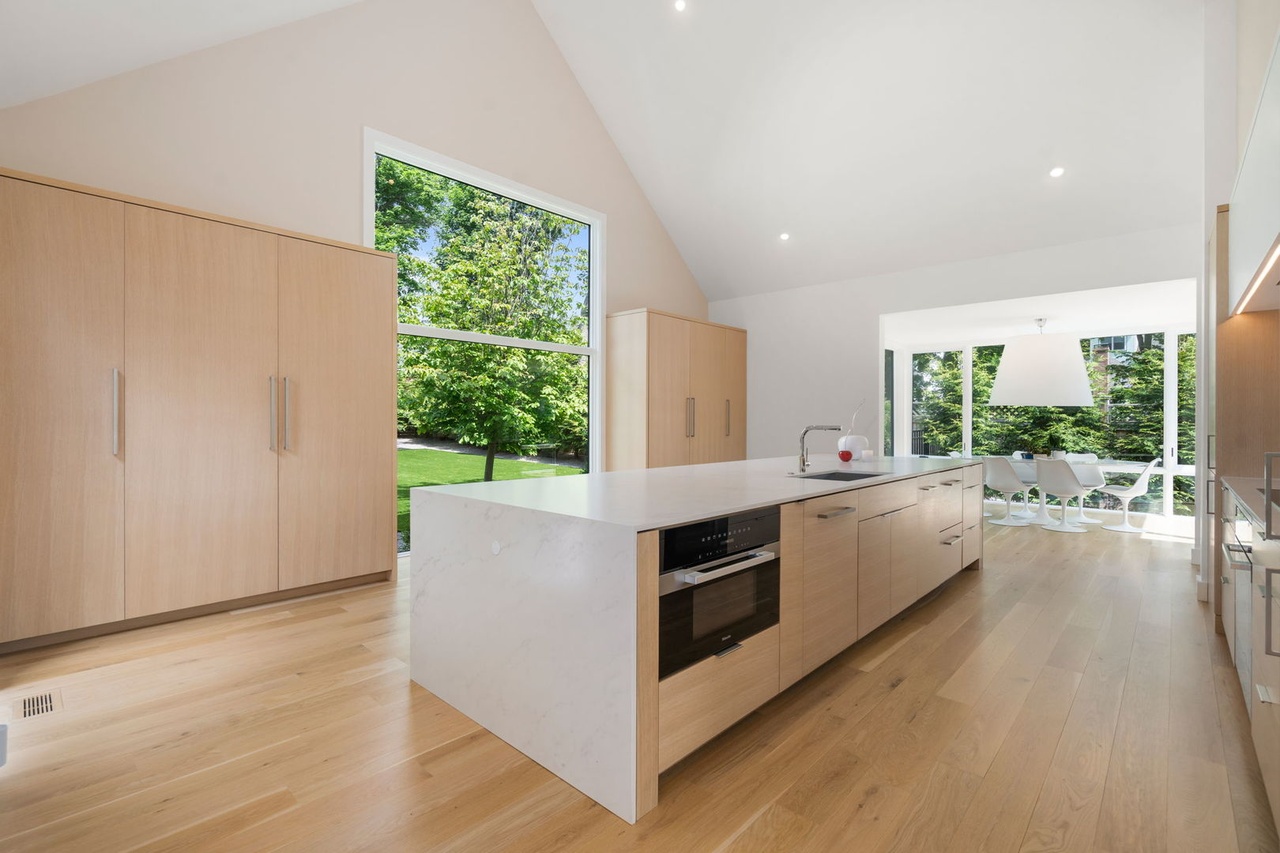
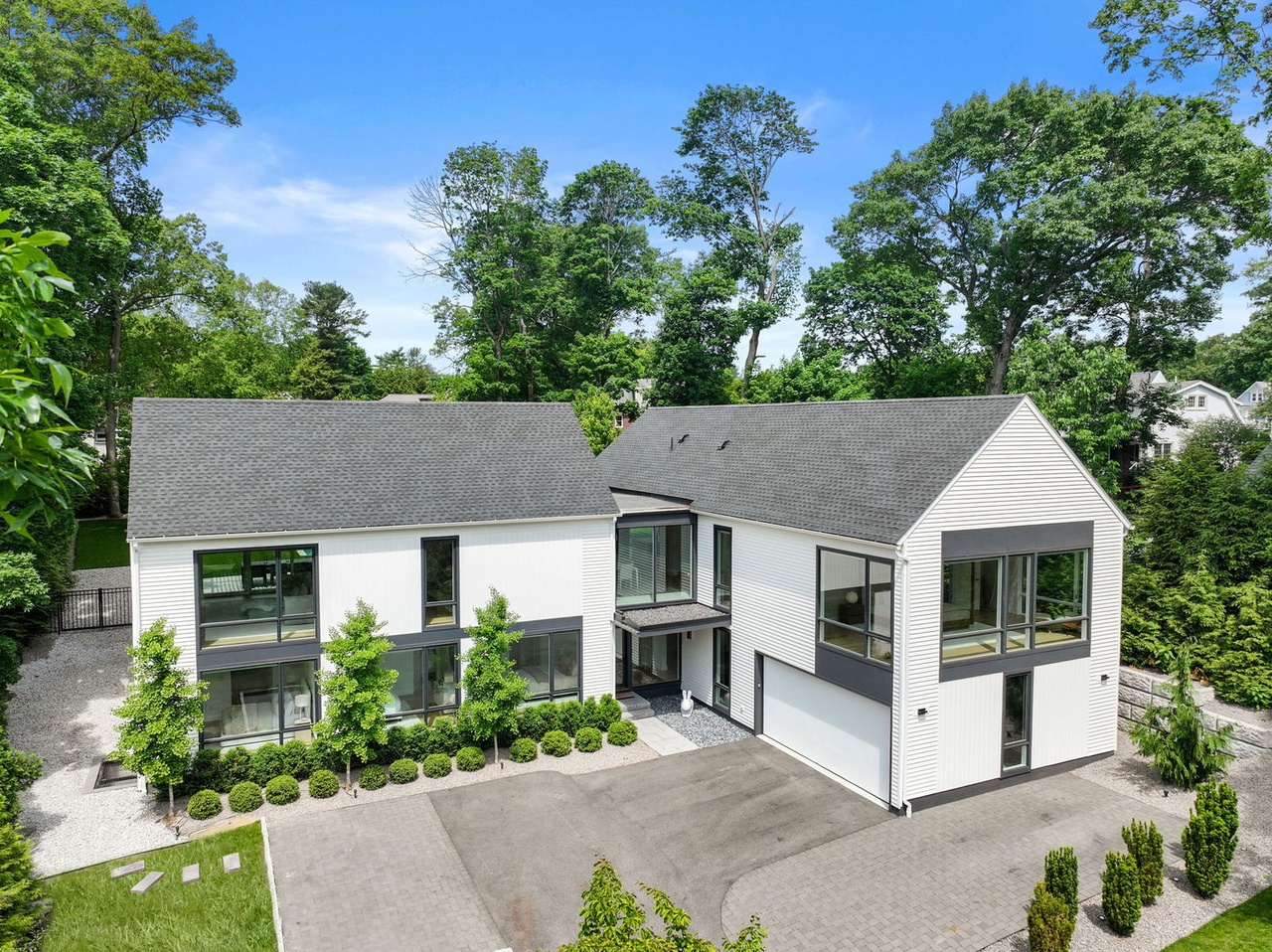
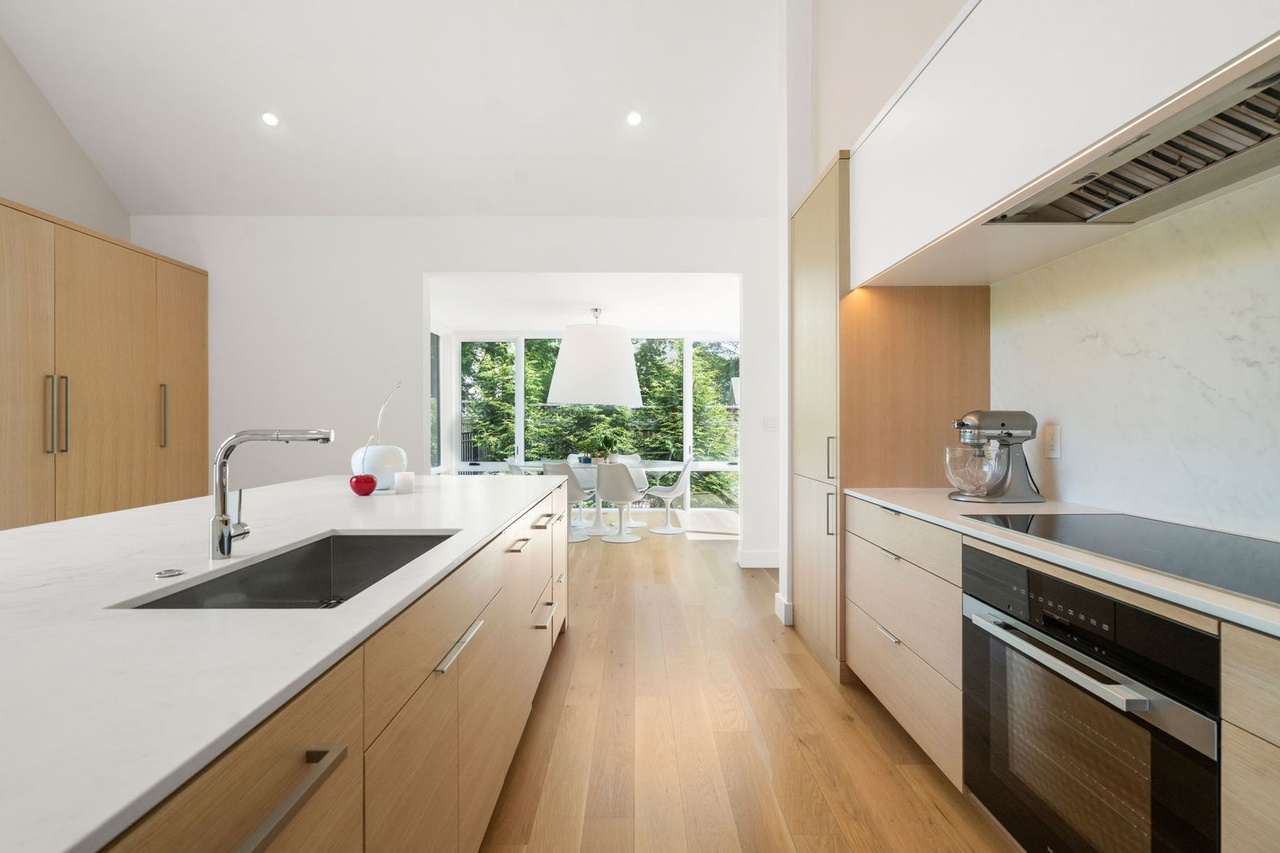
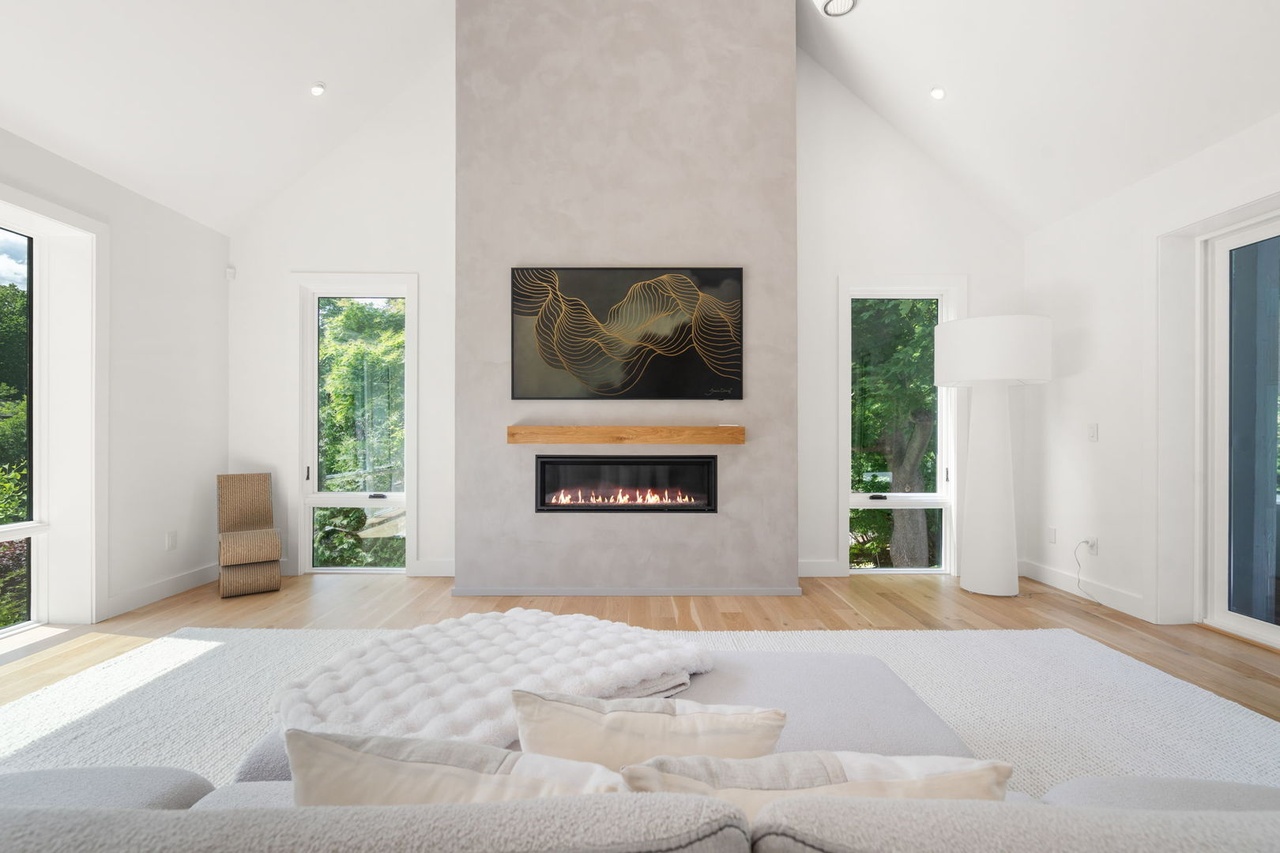
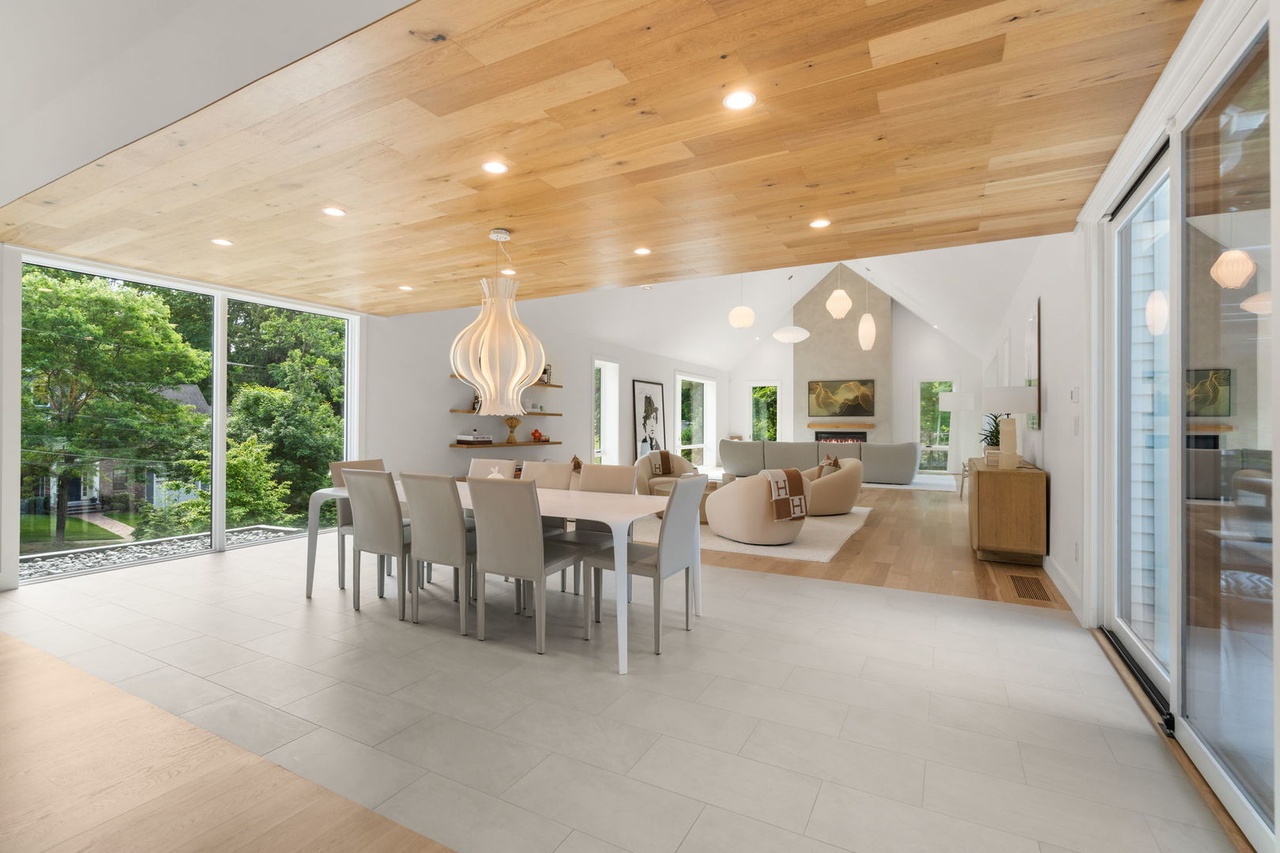
202221 White Oak Road completed — a new chapter on one of Waban's oldest streets
The land that became Waban was home to the Nipmuc people, who lived along the bend of what is now the Charles River. The neighborhood takes its name from Chief Waban (c. 1604–1677) — in Algonquin, the word means "The Wind." He was the first Native American convert to Christianity in Massachusetts, brought into the faith by Rev. John Eliot in 1646 at Nonantum Hill, less than a mile from where White Oak Road now stands. It's a neighborhood that has been home to people for a very long time.
"A sleepy little town by the curve of the shining river… a village full of peace with the houses far apart and the fields white with daisies."
— Waban Improvement Society, describing the pre-railroad village
Everything changed on August 16, 1886, when Waban Station opened on the Highland Branch railroad. A developer named William C. Strong saw what the train would do to the land values, bought up the surrounding farmland, laid out the streets, and started building houses. He named most of the streets for natural things — trees, waterways, the landscape itself. White Oak Road almost certainly takes its name from the native white oaks (Quercus alba) that grew across Newton's upland meadows, some of which were still standing when the first houses went up.
The neighborhood's character — the quiet streets, the big lots, the mix of Victorian and early-modern houses — was mostly set by the 1920s. And the Green Line D still stops at Waban Station today, which means you can be downtown in about 25 minutes without thinking about parking.
See what this street looked like before the houses came