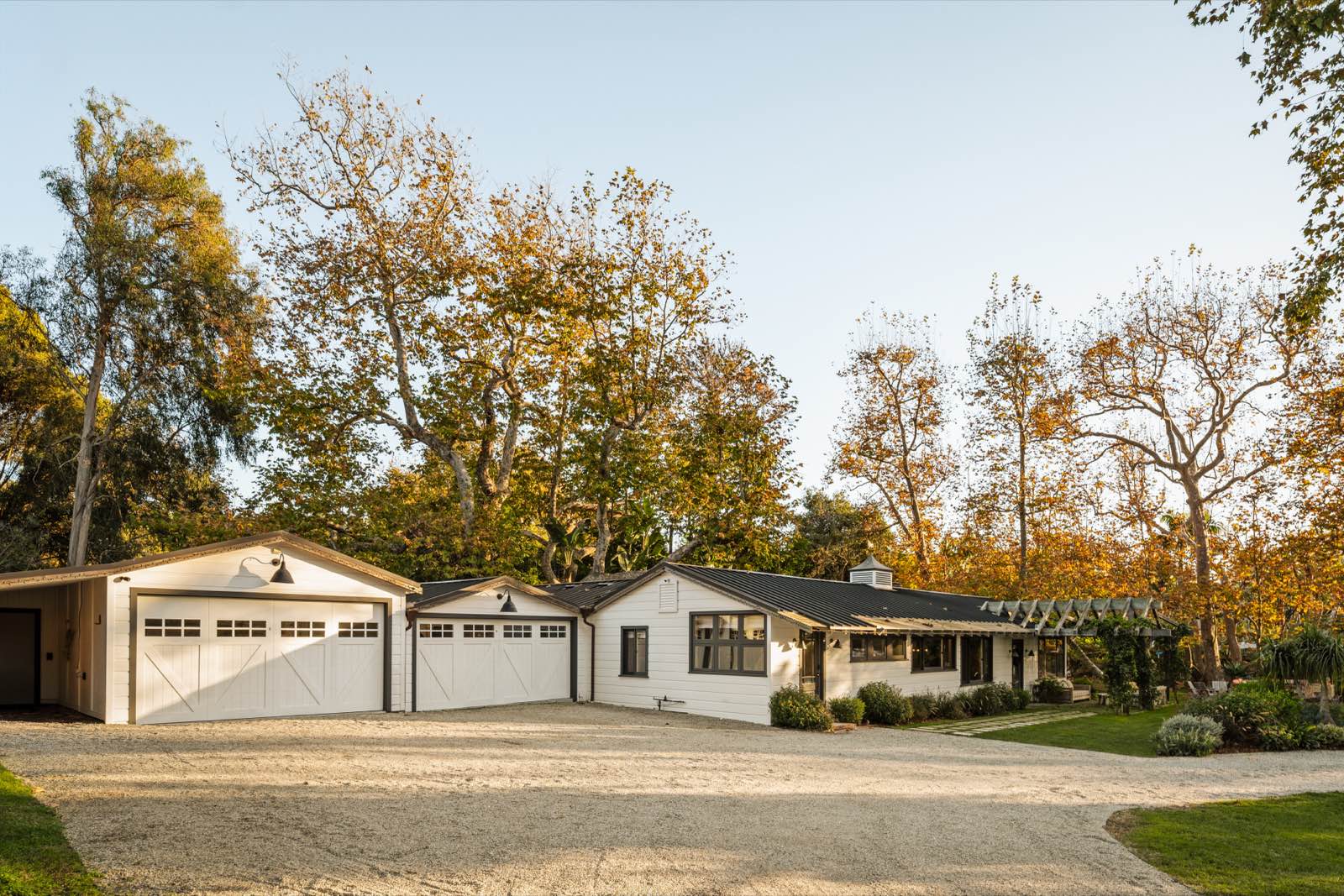
The land beneath Busch Drive carries thousands of years of history. The Chumash people used Point Dume's volcanic headland as a ceremonial site and harvested abalone along this shore. In 1793, British explorer George Vancouver named the headland "Point Dume" — a misspelling of "Dumetz," after his host Father Francisco Dumetz of the California missions.
In 1892, Boston industrialist Frederick Hastings Rindge purchased the entire 13,330-acre Rancho Topanga Malibu Sequit — the last private owner of all of Malibu. His widow May fought the state for decades to keep her land private. She eventually lost. The Pacific Coast Highway opened through her land in 1929, and Malibu opened to the world.
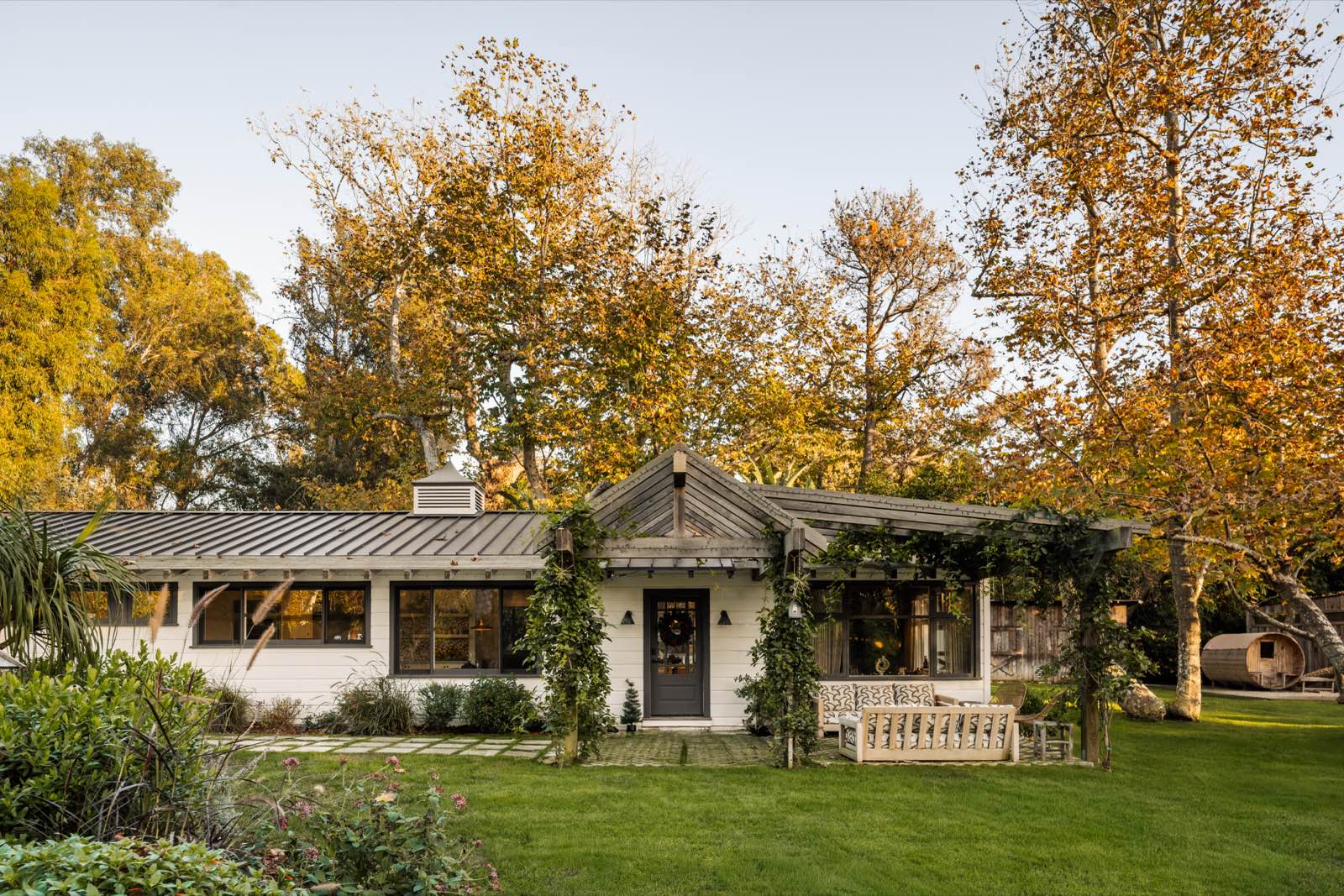
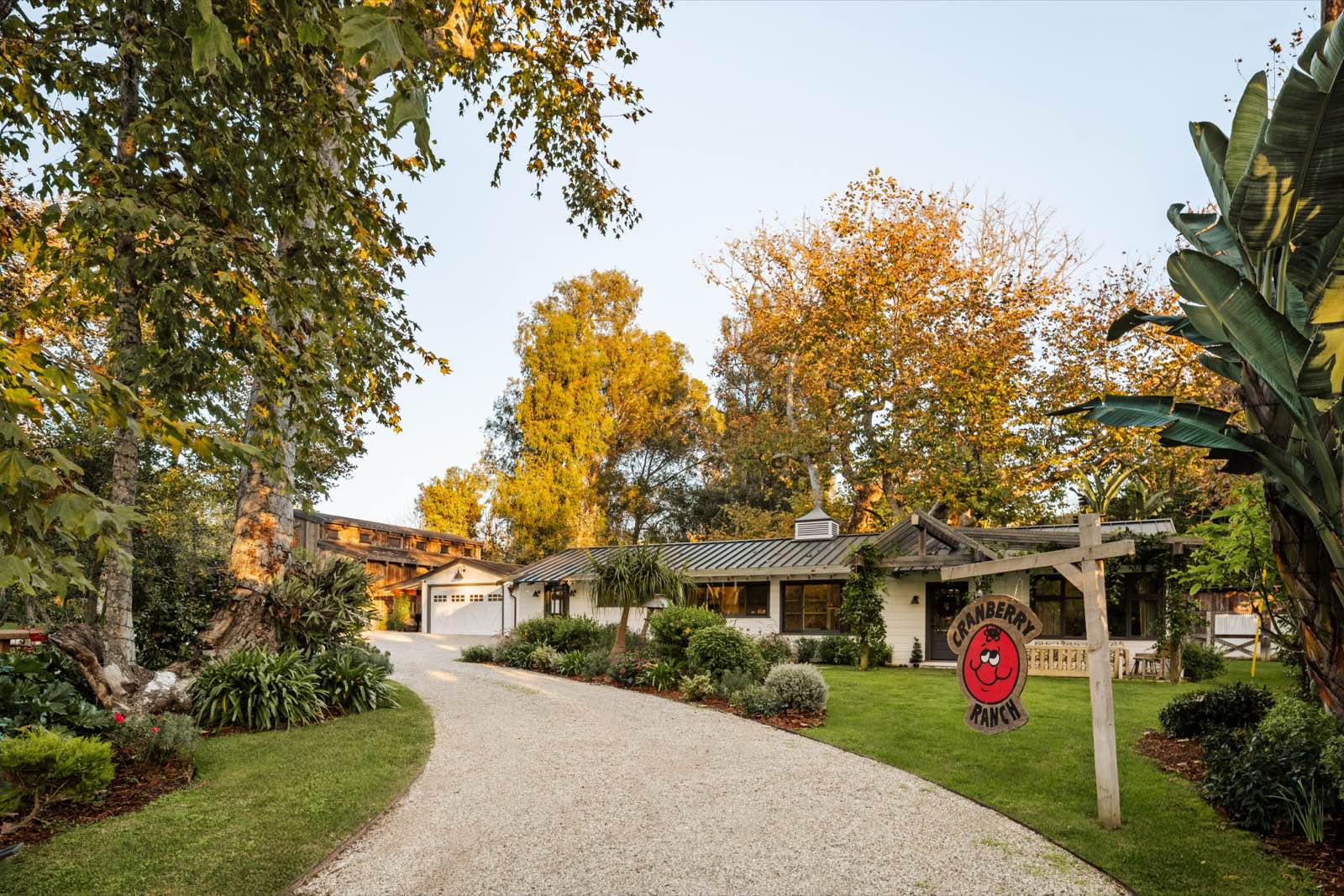
In the late 1920s, May Rindge began leasing cottages to Hollywood stars — founding what became the Malibu Colony. Surf culture ignited at Surfrider Beach around 1926. By the 1950s and 60s, Malibu was California surfing's spiritual capital. The bluffs of Point Dume were used for military training in World War II, then cleared for homes. The first houses appeared in the late 1940s. Ranch-style homes filled the streets through the 1950s and 60s — the decade Cranberry Ranch was built.
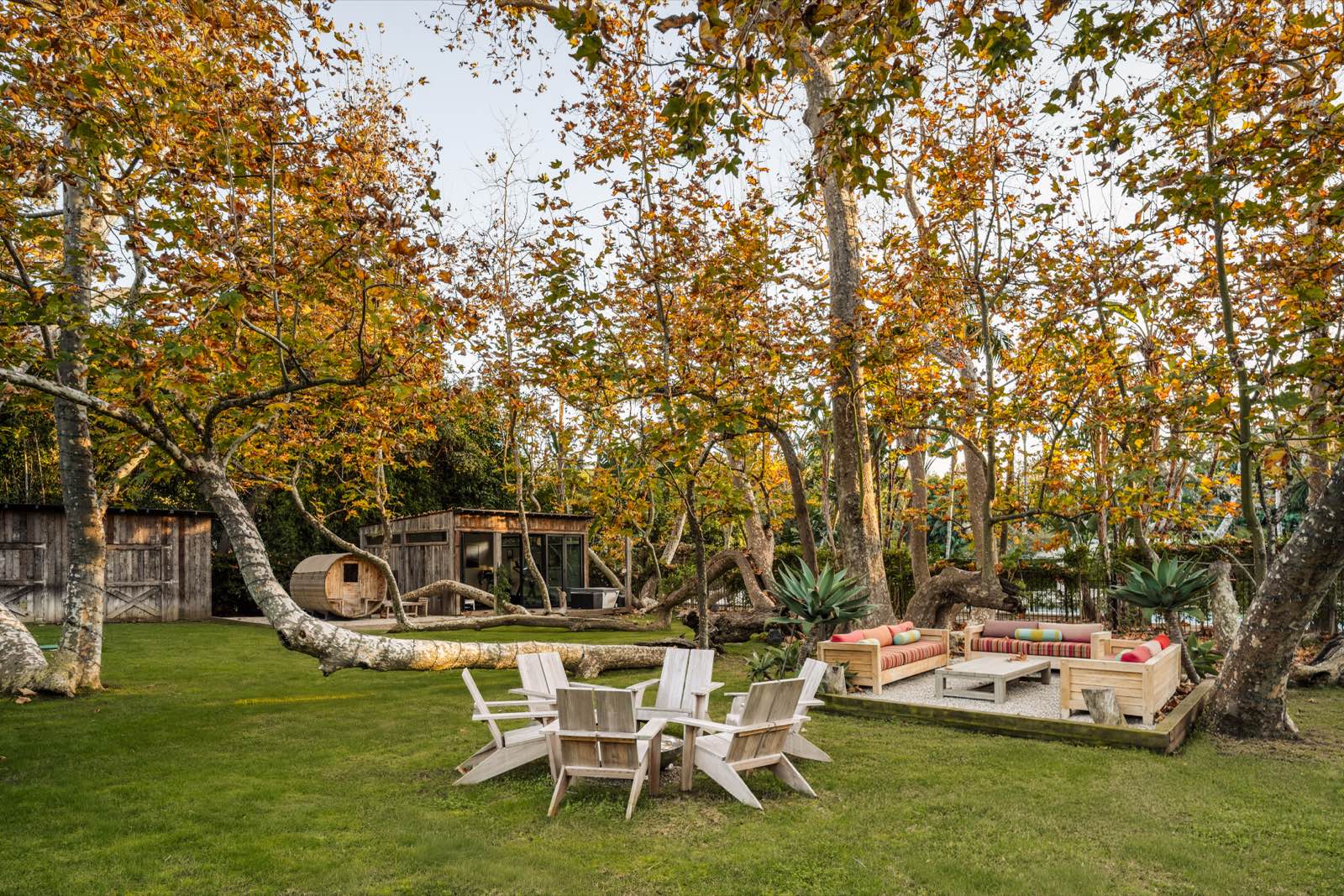
Busch Drive sits at the northwest edge of the Point Dume / Malibu Park zone, adjacent to Zuma Creek — the same creek that runs through this property. The neighborhood developed on former Rindge parcels through the mid-20th century, with horse-friendly rural zoning and an unhurried character that has survived every wave of development and disaster.
The 2018 Woolsey Fire swept through this area. What you see on this block today is largely a neighborhood rebuilt from that fire — newer homes and rebuilt ranches on land with 130 years of California history underneath.